
Why the studio, why these games
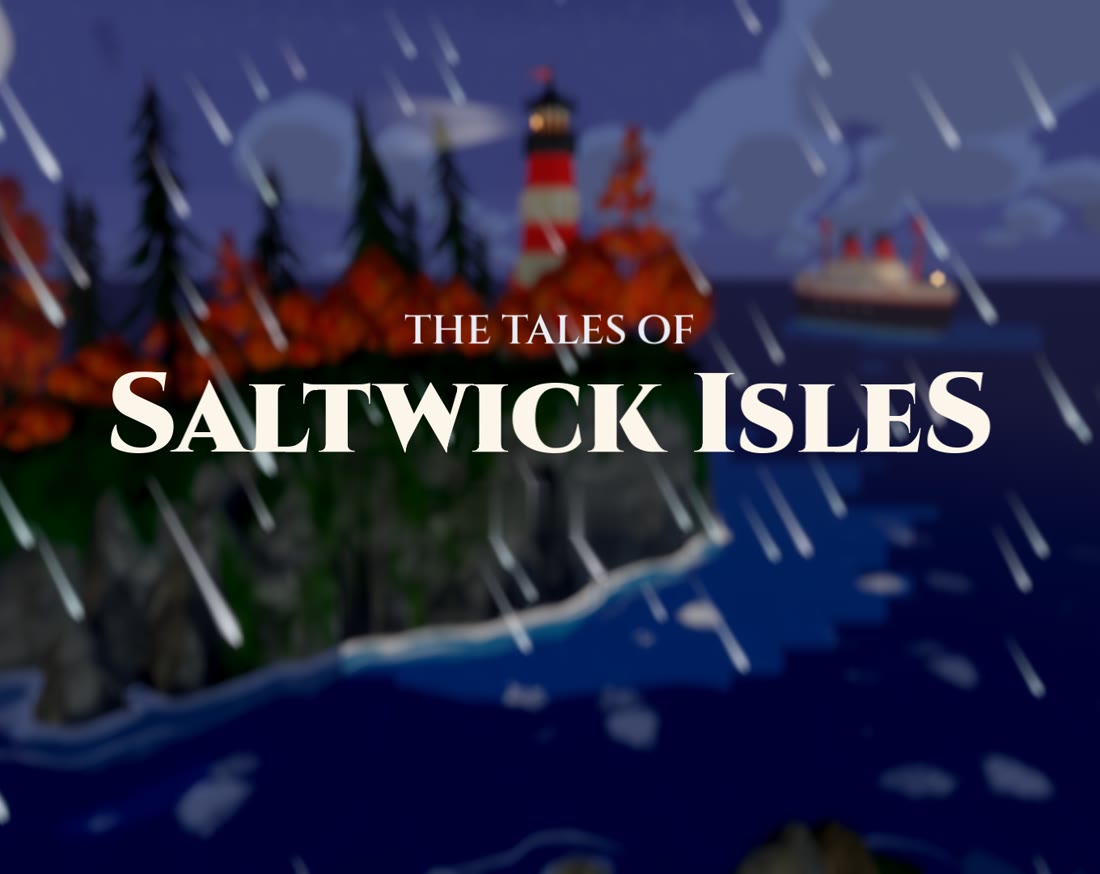
Consider this an introduction: what Studio Saltwick is, and why this game.
The studio is the easy part. When it came to putting the work out into the world, I wanted something to hide behind, a name that wasn’t mine. The game was already called Saltwick, so the studio became Studio Saltwick, and that was that.
The game takes longer to explain. It starts with a feeling that had been building for years.
A few years ago I started to struggle with how many games were built around combat, and how many of the ones that weren’t were written off as too cutesy. For a while it felt like the choice was to shoot someone, or grow plants on a farm. That wasn’t the adventure I grew up wanting, and as an adult those games often felt empty.
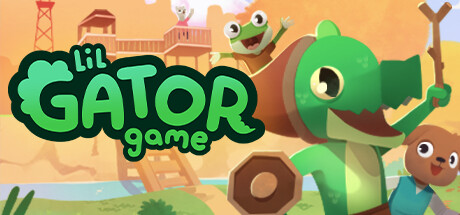
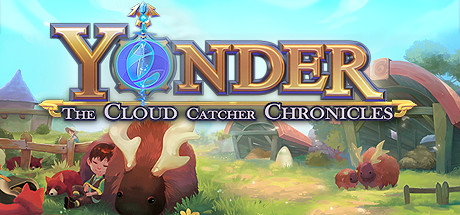
A Short Hike, Lil Gator Game and Yonder: The Cloud Catcher Chronicles scratched the itch. They brought back old dreams of Wind Waker, but they left me feeling there could be more. They gave me the cosiness, but if I wanted a sense of threat, I had to go to another game.

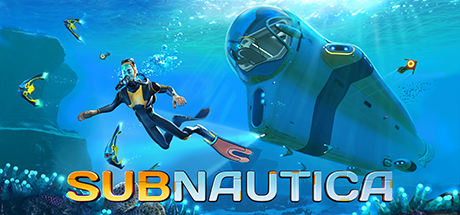
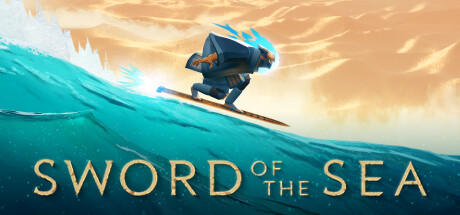
Some came closer. Journey, Subnautica and Sword of the Sea each carry a real sense of danger or awe without leaning on combat. But each picks its tone and holds it. None of them lets you play one way for a while, then change tack and play another way later in the same adventure.

And the games that offered the threat kept getting bigger and more complex: more systems, more to manage, more to build, more to craft. They were made to soak up time. Eighty hours in, you’re building relationships, carving out an identity, playing online with thousands of others, opening loot boxes. So you pick a direction. You become a certain type of player, and the games you play start to define you. Somewhere along the way you lose a bit of freedom, and it gets harder to share the experience with people who like to play a little differently.
Why can’t a story sit at the heart of a game, and let you find your own way through it? Sword or pen, friend or foe.
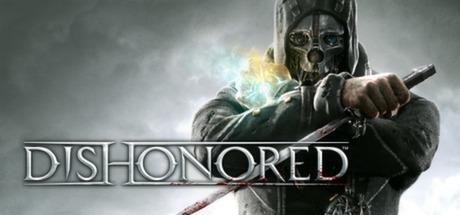
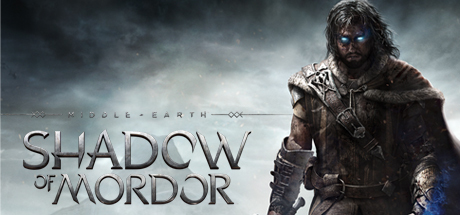
Games evolved and gave us options. In Dishonored you can sneak through a level without killing anyone, or cut your way through every guard, and the world changes to reflect the path you took. Middle-earth: Shadow of Mordor went further with its Nemesis System: orcs remember you, hold grudges, and rise through the ranks when they beat you, so every playthrough tells its own story. It’s brilliant, but even the cleverest systems are still built around the fight, and those options still push you into one way to play. Be stealthy or be confrontational. Either way, the ending is the same: you might die.

So much of how games are told comes back to that friction between the player and death, or the lack of it. Either you fight and you might die, or there’s no combat and everything is friendly and safe. There’s rarely much in between.
Destiny tapped into this a little. Out in the world, most of the time death barely matters: you fall, you’re back a few seconds later. Then a red warning appears, you’re in a Darkness Zone, and suddenly there’s no respawning. The same world, the same walk, but the friction is turned up. It showed danger doesn’t have to be all or nothing, yet it was still only ever a dial on how much dying hurts.
I felt there was another way. A world can still feel threatening, and a story can still have weight, without death being the only thing at stake.
I know others feel the same thing, a lost connection with games. They want to progress, but maybe play quieter for a while, so why not let them? Plenty of beautiful indie studios are making games like this, and that’s great to see.
In the end, all I want is to make something that people can enjoy with friends and family, each taking their own route through it.
That’s where Tales of Saltwick Isles was born.